
Most vacations fit into a long weekend or a couple of weeks. An expedition asks for a different mindset. Weather matters, transport doesn’t always run on a fixed schedule, and reaching the main destination is often only one part of the trip. Packing also changes. A waterproof bag, spare batteries, cash, and a few extra snacks often prove more useful than packing another change of clothes.
The following destinations take more effort to reach, but not just because they’re far from major cities. They simply take time and preparation. Whether it’s hiking above 17,000 feet in Nepal, crossing the Drake Passage, or waiting for a boat through Greenland’s fjords, these journeys work best when there’s enough time to adapt to local conditions instead of trying to squeeze everything into a tight itinerary.
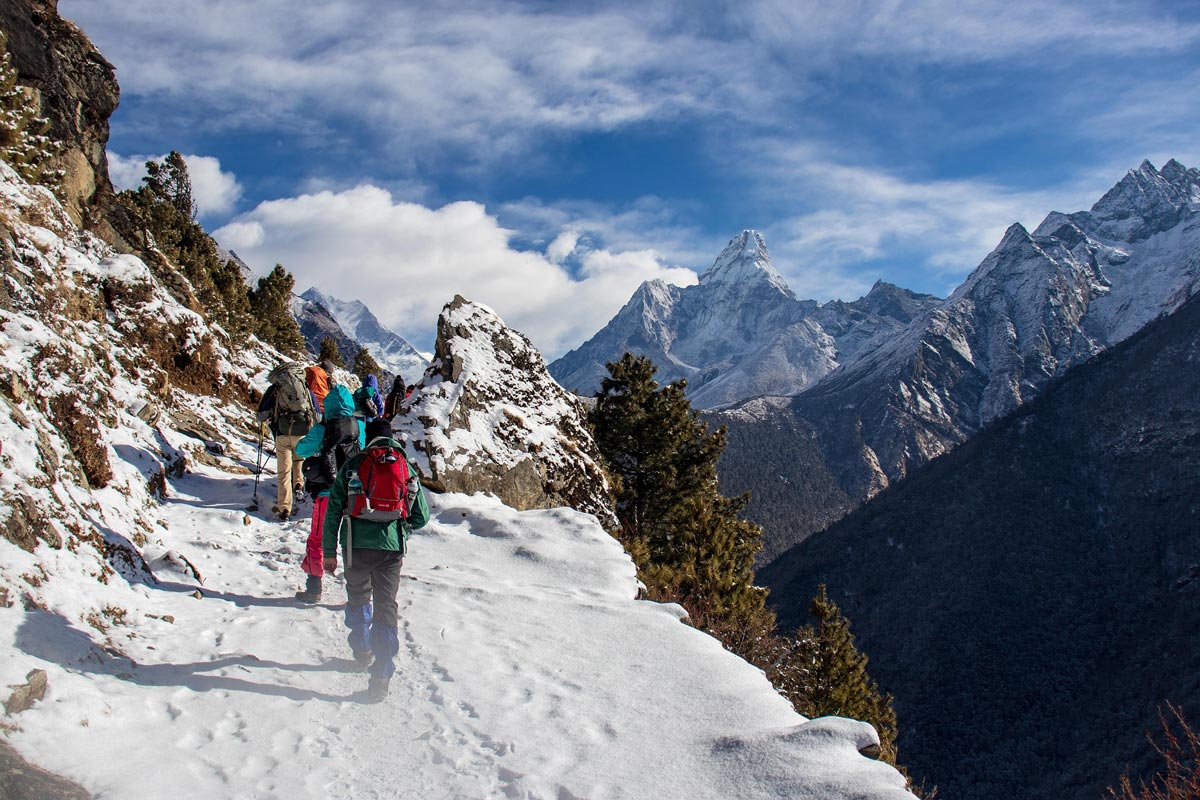
Nepal and the Trek Beyond Everest Base Camp
Everest Base Camp attracts most of the attention, though many trekkers continue to Kala Patthar for the highest viewpoint reached on the standard route. The climb starts before sunrise for good reason. Early morning usually brings the clearest mountain views before clouds begin collecting across the Khumbu Valley.
Kathmandu deserves more than a quick overnight stop. Around Asan Market, narrow lanes fill with spice sellers, fabric shops, and small grocery stores from early morning. A short walk away, Durbar Square remains one of the city’s busiest gathering places, while Boudhanath Stupa is busy from dawn as local residents walk clockwise around the prayer wheels.
Those planning to go trekking in Nepal often spend time comparing the Everest Base Camp route with the Gokyo Lakes Trek before settling on an itinerary. Namche Bazaar is where many itineraries slow down for an acclimatisation day, and there’s a good reason for it. The extra night helps many people adjust before climbing higher toward Tengboche, Dingboche, and eventually Everest Base Camp. Cash is also worth sorting out before leaving Kathmandu because reliable ATMs become scarce afterward.
Patagonia and the Wilderness That Earns Its Reputation
It’s easy to underestimate just how far apart places are in Patagonia. A drive that appears short can still take several hours, and weather changes quickly enough that gloves and sunscreen often come out on the same day.
In Torres del Paine National Park, many hikers leave well before daylight for the walk to Mirador Base Torres. The final section climbs over loose rock, and the wind can become surprisingly strong once the trail reaches higher ground. Filling water bottles from designated streams is common along several routes, though park guidance can change, so it’s best to check the latest updates.
Across the border, El Chaltén feels built around walking. Trails to Laguna Capri and Laguna de los Tres begin right on the edge of town, so there’s no need to arrange transport before setting off. Back in Puerto Natales, the waterfront beside Señoret Channel is usually busy in the evening, while the Municipal Market is handy for stocking up on trail snacks before heading into the park.
Antarctica and the Continent Only Expedition Ships Reach
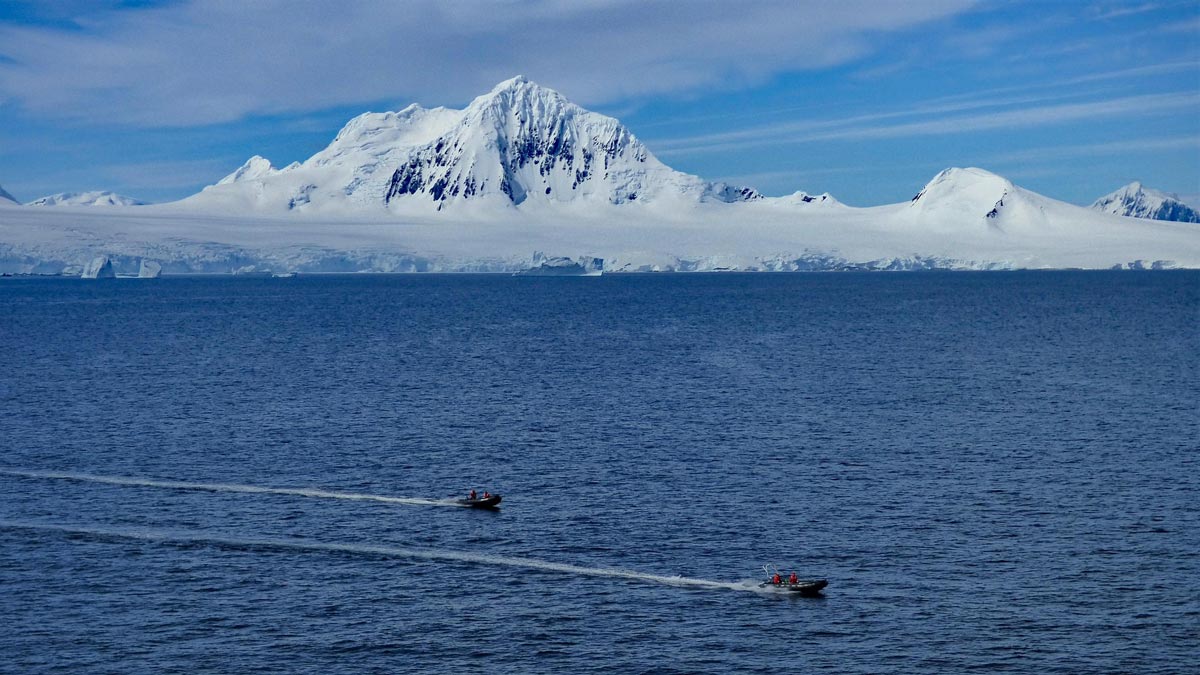
Antarctica is one of the few places where the journey across the water is still a major part of the experience. Most expeditions leave from Ushuaia, where Avenida San Martín is lined with outdoor gear shops, supermarkets, and small stores selling anything forgotten at the last minute.
Anyone comparing itineraries before booking an Antarctica cruise should look closely at the number of days around the Antarctic Peninsula, not only the total voyage length. Weather in the Drake Passage or heavy sea ice can affect landing opportunities, and extra days provide more flexibility if conditions change.
Landing ashore comes with strict rules. Boots are cleaned before every visit, bags are checked for seeds or dirt, and wildlife is given plenty of space. Expedition staff keep groups moving carefully across marked routes while penguins continue building nests only a short distance away. Even cameras need a bit of extra care because batteries drain much faster in freezing temperatures.
Greenland and the Arctic Fjords Worth the Journey
Greenland takes time to cover because many towns are separated by mountains, fjords, and ice. Boats and domestic flights become part of everyday travel, and weather delays are accepted as fairly normal.
In Ilulissat, the wooden boardwalk leading toward the Icefjord passes smooth rock, patches of Arctic wildflowers during summer, and several viewpoints overlooking Disko Bay. Icebergs drift past at different speeds depending on tides and wind, so the view changes throughout the day. The walk out to Sermermiut is well marked and doesn’t require technical hiking experience.
Nuuk is a working capital where fishing boats, offices, and apartment buildings sit alongside the old harbor. Around Imaneq, local shops, supermarkets, and everyday businesses keep the city busy throughout the week. Packing layers remains important even in midsummer because temperatures can drop quickly once boats head into the fjords.
Bhutan and the Himalayan Kingdom Few Tourists Enter
Bhutan receives fewer international visitors than many neighboring countries, and daily life still takes priority over tourism. That becomes obvious around Norzin Lam in Thimphu, where office workers, students, monks, and shoppers all share the streets throughout the day.
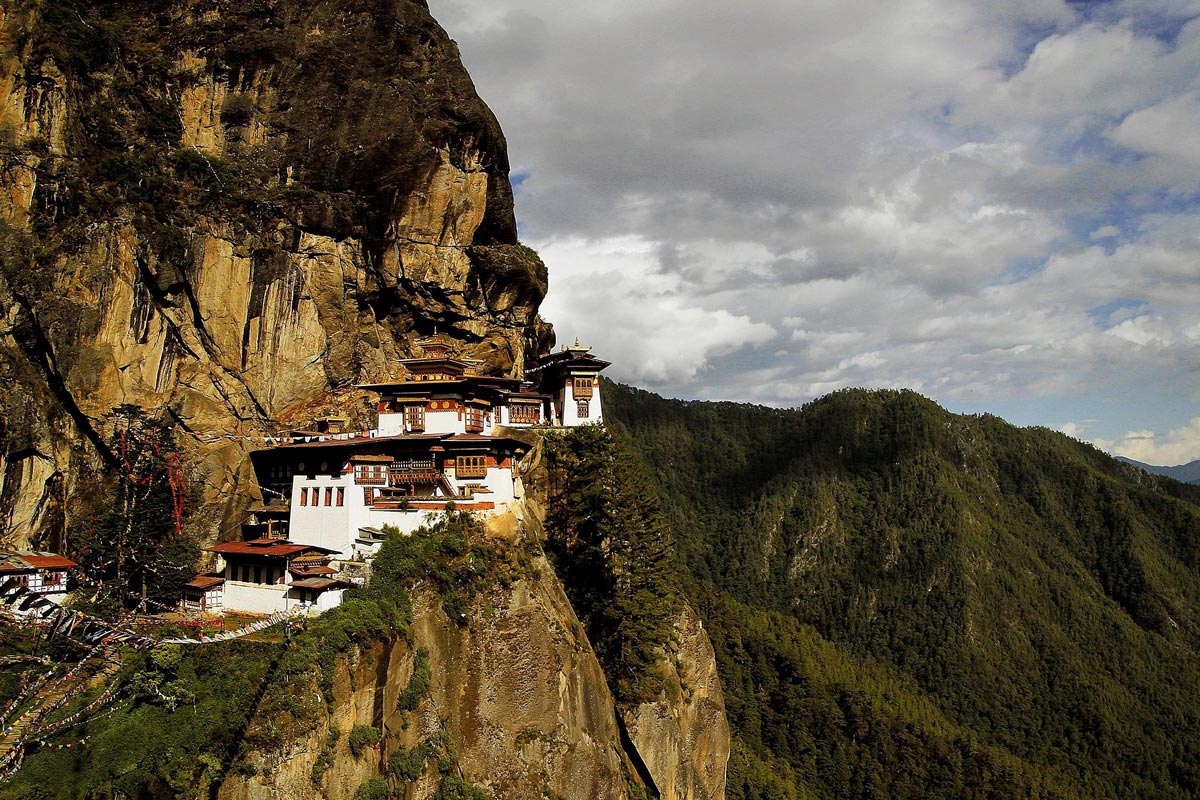
The walk to Tiger’s Nest Monastery starts with a steady climb through pine forest before reaching the famous viewpoint across the valley. Plenty of people pause at the café halfway up, though the final section still includes several hundred stone steps. Carrying water makes the climb much more comfortable, especially outside the cooler winter months.
In Punakha, the suspension bridge across the Pho Chhu River sways gently even on calm days. Nearby, the Centenary Farmers’ Market draws growers selling chillies, mushrooms, mountain honey, and red rice depending on the season. At Punakha Dzong, visitors should expect to remove hats and dress modestly before entering.
Which expedition would you tackle together first?
These destinations all ask for a bit more commitment than a typical trip, though a bit of preparation helps at every stage of the journey. Nepal brings long days on mountain trails where altitude shapes every stage of the journey. Patagonia’s weather often has the final say, even on well-planned hiking days. Antarctica works around sea conditions, Greenland follows the pace of ice and boats, and Bhutan continues to preserve customs that remain part of everyday life.
These destinations also have one thing in common: rushing rarely helps. Leaving room for weather delays, acclimatisation, or an extra day in places like Kathmandu, Ushuaia, Ilulissat, or Thimphu helps make the trip easier. It also leaves time for the unexpected, whether that’s waiting out the weather or deciding to spend another afternoon somewhere that wasn’t originally on the itinerary.