
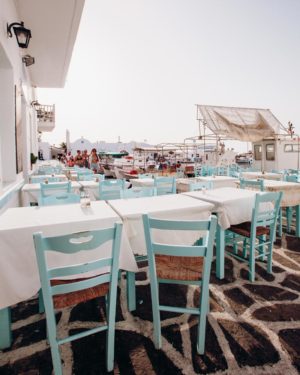
Travelling for food in Europe doesn’t always mean booking ahead or searching for well-known spots. A lot of it comes down to being in the right place at the right time. Markets setting up in the morning, fishermen unloading their catch, or farmers bringing produce into town all influence what’s served later in the day. These moments are easy to come across in the destinations featured here, where food remains closely tied to daily life and local surroundings.
Traditional Cretan Recipes and Seaside Dining in Greece
Crete’s food culture is easy to follow once you spend time moving between its towns and villages. In Chania, the old Venetian harbour draws most visitors, but the real activity starts just inland at the Municipal Market on Minoos Street. Vendors sell fresh mizithra cheese, herbs like dittany, and jars of thyme honey sourced from nearby hills. These ingredients also show up in simple dishes across the island, including dakos topped with tomatoes and olive oil, and slow-cooked lamb prepared with wild greens.
Along the coast east of Heraklion, places like Agia Pelagia and Ammoudara see fishing boats come in early, with seafood that’s often served the same day. Grilled fish, octopus, and small plates built around local produce are common along these stretches. Inland, villages near Rethymno offer a different view, with family-run kitchens working with what’s grown nearby, from olives to grapes used for raki.
If you’re travelling for food, the perfect villa holidays in Greece are often those set close to local food traditions. These properties tend to be in quieter coastal or rural areas where markets and home cooking remain part of daily life. In regions like western Crete, some villas sit near working farms or within easy reach of village bakeries and weekly markets. Staying in these areas changes how meals fit into the day, with fresh bread or seasonal produce only a short walk or drive.
Fresh Seafood and Historic Market Culture in Coastal Portugal
In Lisbon, food starts early at Mercado da Ribeira, located along Avenida 24 de Julho. Locals shop for fish, shellfish, and produce before restaurants begin service. The variety reflects what’s coming in from the Atlantic, including sardines, clams, and sea bass. A short walk away, streets like Rua dos Bacalhoeiros in the Alfama district carry that same connection to the sea, with cod prepared in multiple forms, from salted fillets to baked dishes with potatoes and onions.
Further north in Porto, the Matosinhos area offers a clearer view of seafood culture tied directly to the coast. Boats dock nearby, and fish markets supply the surrounding streets. Along Rua Heróis de França, grills are set up outside, with whole fish cooked over open flames. The scent carries through the area, especially in the late afternoon when locals gather for meals built around whatever came in that morning.
Markets play a strong role here as well. Mercado do Bolhão, recently restored, brings together farmers, fishmongers, and spice vendors under one roof. It’s also where people exchange news, discuss seasonal changes, and keep older cooking habits alive. Spending time in these spaces gives a clearer picture of how Portuguese coastal food continues to evolve while staying closely tied to its origins.
Sicilian Street Food and Volcanic Vineyard Tastings
In Sicily, Palermo’s street food scene is fast-paced and busy, with vendors serving food straight onto the street in a steady flow, especially around Ballarò Market near Via Maqueda. Vendors call out orders, fry panelle made from chickpea flour, and serve arancini filled with ragù or cheese. It’s fast-moving, but the food reflects long-standing influences from Arab and Mediterranean traditions. A short distance away, Vucciria Market shifts more toward evening crowds, with grilled meats and seafood appearing as the day winds down.
Catania offers a different angle, set against the backdrop of Mount Etna. At La Pescheria fish market near Piazza del Duomo, stalls display swordfish, sea urchins, and anchovies brought in daily. The market sits beside historic buildings, with Baroque architecture framing the scene. Ingredients here often make their way into simple pasta dishes or are grilled and served with lemon.
Meanwhile, Etna’s volcanic soil supports vineyards that produce distinctive wines. Small estates around towns like Randazzo and Linguaglossa open their doors for tastings, often paired with local cheeses and cured meats. Exploring these areas through unforgettable private tours of Sicily makes it easier to access smaller producers and estates that aren’t always easy to find.
Artisan Cheeses and Truffle Foraging in the French Countryside
In French regions like Dordogne and parts of Provence, food traditions remain closely tied to the land. Weekly markets sit at the centre of this. In Sarlat-la-Canéda, the market around Place de la Liberté fills with stalls selling walnut products, duck confit, and regional cheeses. Streets like Rue de la République stay busy as locals and visitors move between vendors, sampling produce and discussing the latest harvests.
Cheese production varies across small distances. In areas around Rocamadour, goat cheese is produced in limited quantities and is sold directly from farms. Visiting these producers gives insight into ageing processes and seasonal differences in flavour. Further east, truffle hunting becomes part of the culinary landscape, especially in the winter months. Forests near towns like Richerenches host organised truffle markets, where hunters bring in their finds and sell them by weight.
Joining a foraging experience gives a clearer view of how these ingredients are sourced. Trained dogs search for truffles beneath oak trees, guided by handlers who know the terrain well. Meals built around these finds are usually kept simple, allowing the ingredients to stand on their own.
Farm-to-Table Traditions and Olive Oil Estates in Andalusia
In southern Spain, Andalusia’s food culture is rooted in agriculture that has shaped the region for centuries. In Seville, Mercado de Triana sits just across the Guadalquivir River, offering fresh produce, cured meats, and seafood. The market is built over historic ruins, adding another layer to the experience. Nearby streets like Calle San Jacinto carry that same mix of daily life and food-focused activity.
Olive oil plays a central role across the region. In Jaén, often referred to as the heart of Spain’s olive oil production, estates stretch across the landscape. Visitors can tour these properties to see how olives are harvested and processed. Tasting sessions highlight differences in flavour depending on the variety and harvest time, from early-season oils with a sharper finish to later batches with a softer profile.
In smaller towns such as Úbeda and Baeza, both recognised for their Renaissance architecture, food remains closely tied to daily local produce. Markets sell seasonal vegetables, legumes, and grains that form the base of many dishes. Meals often include simple preparations like gazpacho or stews made with chickpeas and greens. The connection between land and table stays visible here, without needing much explanation.
Which regional dish will you try?
Deciding which European region to visit for food isn’t always easy, largely because of the range of options. What links these destinations is how visible the food process still is. You can see where ingredients come from, who’s selling them, and how they’re used. From busy market streets to quieter rural areas, those details add context to every meal. It doesn’t take much to notice once you’re in the right setting, and it often changes how you view what’s on your plate.
