
There’s much more to France than its famous capital. Beyond Paris, you’ll find mountain villages tucked into the Alps, coastal towns shaped by the changing tides and vineyards stretching across the countryside. Each region has its own character, with plenty of opportunities to explore away from the usual tourist attractions.
You might spend your days hiking through mountain landscapes, cycling between small villages or discovering local food and wine traditions. These five experiences will take you through different parts of France, giving you a chance to appreciate the scenery and get to know the places you visit.
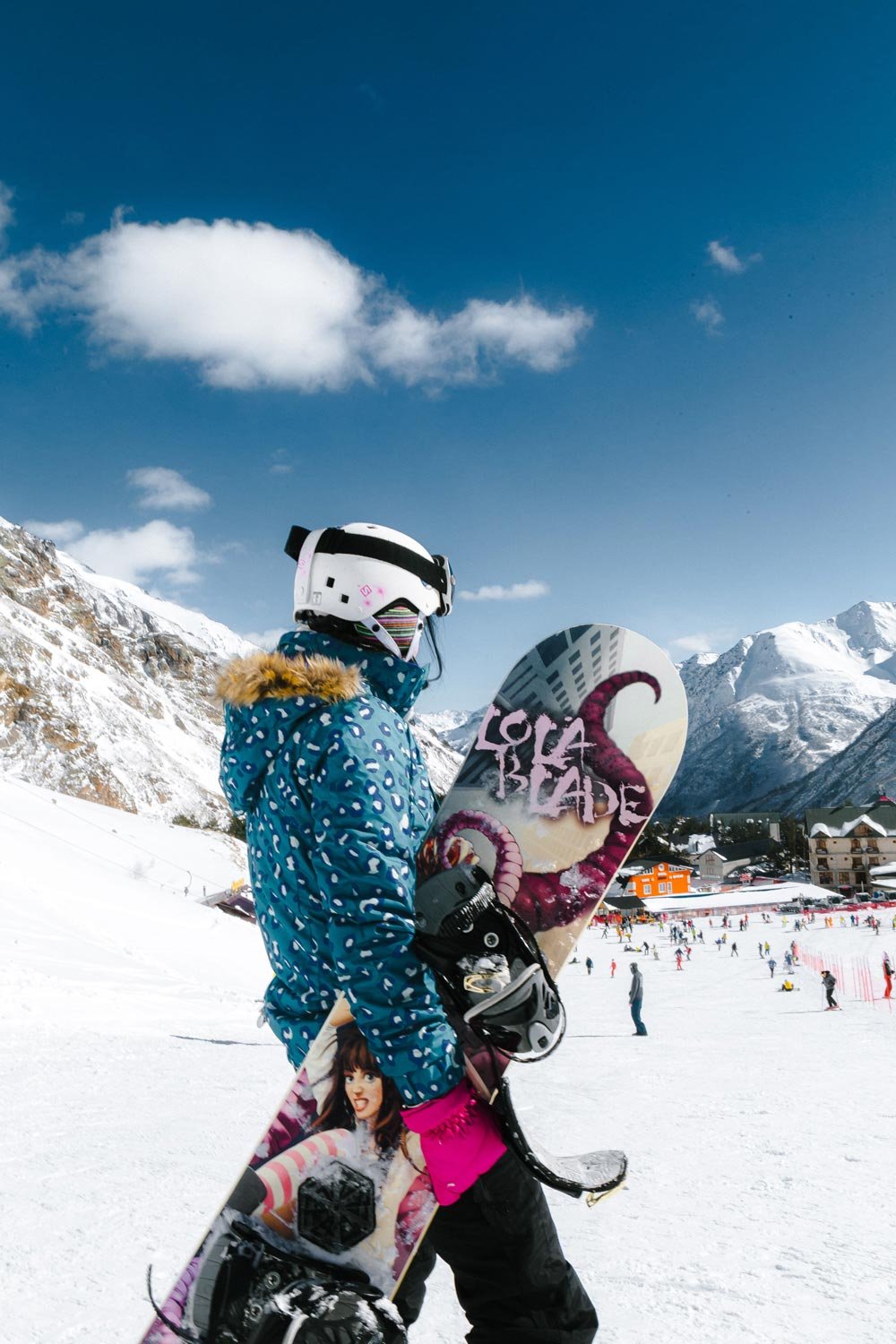
Skiing Alpine Slopes in Val d’Isère, France
High in the French Alps, Val d’Isère is surrounded by snow-covered peaks and slopes stretching across the Tarentaise Valley. The resort has a wide range of ski runs, with gentle areas for beginners, long pistes for intermediate skiers and challenging descents for those with more experience.
A day on the mountain might take you across the open slopes of Solaise or up towards Bellevarde, where the views stretch across the surrounding peaks. Between runs, you can stop at a mountain restaurant for lunch before heading out to explore another part of the ski area. The village itself is worth wandering through, with traditional alpine buildings and cafés lining its streets.
After skiing, many visitors return to mountain chalets, like the Chalet Machapuchare in Val d’Isère, where large windows overlook the valley and a fireplace adds warmth to the living area. Staying nearby gives you time to enjoy the mountain setting beyond your hours on the slopes.
Crossing Mont-Saint-Michel’s Tidal Bay on Foot in Normandy, France
The bay surrounding Mont-Saint-Michel is the setting for one of the most unusual walking experiences in France. At low tide, the water pulls back to reveal a wide stretch of sand and shallow channels, with the abbey rising in the distance above the open landscape. Seeing the island gradually come into view from the bay gives the journey a very different feel from arriving by road.
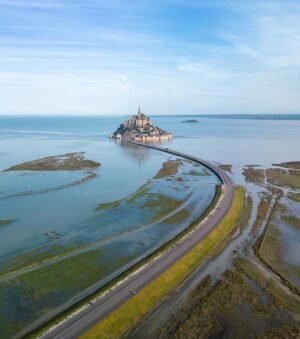
Walking across the bay is a physical, sensory experience. Bare feet sink into wet sand, small pools of seawater catch the light, and the scale of the landscape becomes more apparent with every step. Along the way, guides explain the tides, the history of the crossing and the changing character of the bay itself.
Because the tides move quickly and parts of the bay can be difficult to navigate, most crossings are done with an experienced guide. Conditions vary from day to day, so timings depend on the tide. For independent travellers, joining a guided walk is a good way to explore the bay safely while learning more about the landscape around Mont-Saint-Michel.
Spotting White Horses and Pink Flamingos in the Camargue, France
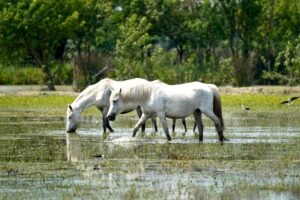
In southern France, the Camargue stretches between the Rhône River and the Mediterranean Sea, with wide salt marshes, shallow lagoons and reed beds that shelter an impressive variety of wildlife. The region is particularly known for its white Camargue horses and greater flamingos, which can be seen feeding in the wetlands.
Exploring the Camargue on horseback takes you through its open landscapes, following sandy tracks past grazing horses and quiet stretches of marshland. Birdwatching is another highlight, particularly around the Parc Ornithologique du Pont de Gau, where walking paths lead to viewing areas overlooking lagoons frequented by flamingos and other waterbirds.
The Camargue can also be explored by water, with boat journeys along the Petit Rhône and nearby canals. Those browsing the best barge cruises in France may come across itineraries that include the waterways around Aigues-Mortes and the Canal du Rhône à Sète. These routes provide another perspective on the region’s wetlands and historic towns.
Following the 170km Wine Route Through Half-Timbered Villages in Alsace, France
The Alsace Wine Route winds for around 170 kilometres along the foothills of the Vosges Mountains, passing vineyards and villages filled with colourful half-timbered houses. Towns such as Riquewihr, Eguisheim and Kaysersberg have narrow cobbled streets, old stone fountains and historic buildings that reflect the region’s winemaking heritage.
Exploring these villages on foot gives you time to wander through their winding lanes and visit family-run wine cellars. You can sample local Riesling, Gewürztraminer and Pinot Gris, or stop at a traditional winstub for Alsatian dishes. Cycling between villages is another way to enjoy the countryside, with vineyards stretching across the hillsides and views of the Vosges in the distance.
The route runs from Marlenheim in the north to Thann in the south, although you don’t need to cover its entire length to enjoy the experience. Many of the best-known villages are close enough to explore over a day or two, with dedicated cycling routes running through the vineyards. Autumn is particularly appealing, when the vines turn golden and the region celebrates its grape harvest.
Hiking Copper-Pink Granite Shores Near Perros-Guirec in Brittany, France
Along Brittany’s northern coast, the Côte de Granit Rose is known for its enormous pink granite boulders, shaped by millions of years of erosion. Around Perros-Guirec and Ploumanac’h, these unusual rock formations rise above sandy coves and turquoise water, with their colours shifting between pale pink and warm copper depending on the light.
Walking the Sentier des Douaniers takes you past rounded granite formations, rocky headlands and small beaches tucked between the boulders. Along the way, you can stop to admire the Men Ruz lighthouse, built from pink granite, or enjoy views towards the offshore islands. The coastal scenery changes with every bend, particularly where the rocks meet the open sea.
The Sentier des Douaniers forms part of the GR34 coastal walking route, with a popular section connecting Trestraou Beach in Perros-Guirec to Ploumanac’h. You can explore a shorter stretch or spend several hours walking along the coast, stopping at viewpoints and beaches along the way. Late afternoon is particularly appealing for photography, when the lower sunlight can bring out the warmer tones of the granite.
Which way into France appeals most?
Skiing in the French Alps, walking across the tidal sands of Normandy, and exploring Alsace’s vineyard villages reveal different sides of France, with plenty of opportunities to experience the country’s landscapes and local traditions firsthand.
Travelling independently means you can linger in a village that catches your attention, take a longer coastal walk, or change your plans when something interesting comes along. And sometimes, the unexpected moments become your favourite memories of the trip.
