
Cruises appeal to different travellers for completely different reasons. Some book expedition ships to see polar wildlife and glaciers up close, while others prefer smaller river cruises through wine regions or yacht itineraries stopping at old Mediterranean ports.
The experience changes massively depending on the route, the ship size, and the destinations involved. A week sailing through the Baltic feels nothing like crossing Arctic fjords near Svalbard or anchoring beside granite coves in the Seychelles.
These five voyages cater to completely different travel interests, from remote wilderness to slower cultural journeys.
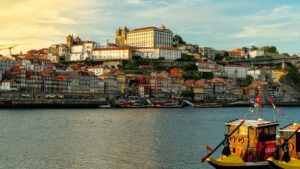
Terraced Vineyards and Golden Valleys Along the Douro
The best Douro cruises usually revolve around vineyard estates, historic river towns, and wine traditions shaped over centuries along the valley. Between Peso da Régua and Pinhão, steep terraces covered with vines surround small estates and hillside villages overlooking the water. Before heading inland, many cruise passengers spend time wandering Porto’s Ribeira district, crossing the Dom Luís I Bridge towards the old port wine lodges in Vila Nova de Gaia.
Some itineraries include longer stops in towns like Lamego and Pinhão, where visitors can see small railway stations covered in traditional blue azulejo tiles and walk through vineyard estates above the valley. River cruises here often include excursions along the N222 road, particularly around São João da Pesqueira, where viewpoints overlook steep vineyard terraces stretching for kilometres across the valley.
Further east, near Barca d’Alva, the scenery becomes noticeably drier and quieter close to the Spanish border. Olive groves begin replacing vineyards in places, and old stone villages sit high above the riverbanks. During harvest season in September, tractors loaded with grapes appear constantly along the valley roads.
Glitz and Glamour on a Mediterranean Yacht Circuit
Mediterranean yacht cruises usually attract travellers who enjoy smaller ports and late evenings near old waterfront districts. Routes between the French Riviera and the Italian coast remain especially popular during summer. In Nice, passengers often walk through Cours Saleya Market before boarding, while evenings in Monaco usually centre around Port Hercule and the streets surrounding Casino Square.
Along the Ligurian coast, Portofino’s harbour fills quickly by mid-morning, though quieter corners still exist around Castello Brown and the walking paths above the marina. In Saint-Tropez, the narrow lanes behind Place des Lices stay busy long after sunset, particularly during market days when stalls sell local produce, antiques, and Provençal fabrics beneath the plane trees.
Smaller yachts can also dock closer to historic centres than large cruise ships. In Dubrovnik, passengers step directly into the Old Town near Pile Gate within minutes. Venice itineraries often include overnight stays near the Giudecca Canal, giving travellers time to wander around Dorsoduro and Campo Santa Margherita once day visitors disappear for the evening.
Polar Frontiers and Arctic Wildlife in Svalbard
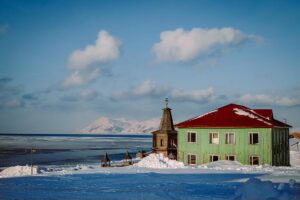
Svalbard feels remote long before the ship reaches Longyearbyen. Snow-covered mountains appear suddenly through the fog, and abandoned mining structures still stand along parts of Adventfjorden. During summer, the midnight sun never properly disappears, which means zodiac excursions often continue late into the evening while glaciers glow pale orange across the water.
When booking great cruises to Svalbard, Norway, many travellers choose expedition vessels that spend several days navigating smaller fjords such as Hornsund and Liefdefjorden, where drifting sea ice often attracts walruses, Arctic foxes, and occasionally polar bears along the shoreline. Many itineraries also stop in Ny-Ålesund, one of the world’s northernmost settlements, where historic polar expedition buildings and active research stations sit beneath steep Arctic mountains and glaciers.
Wildlife sightings change constantly depending on the weather and ice conditions. Walruses regularly gather near Moffen Island, while seabird colonies cover the cliffs around Alkefjellet during summer. Some ships sail deep into the Hinlopen Strait, where passengers occasionally spot blue whales surfacing between ice floes. Conditions can change quickly, though. One calm afternoon can easily turn into dense Arctic fog within an hour.
Tropical Island Hopping and Hidden Coves in the Seychelles
The Seychelles are best explored on smaller ships, which can anchor close to quiet coves and beaches scattered across the islands. Mahé usually serves as the starting point, and many travellers spend time around Victoria Market before departure. Streets near Independence Avenue stay lively throughout the morning as fruit sellers, spice vendors, and fishermen unloading fresh tuna fill the harbour area.
On La Digue, bicycles remain the easiest way around the island. Sandy paths pass vanilla plantations, old Creole houses, and granite boulders shaped by decades of coastal erosion. Anse Source d’Argent still draws photographers every afternoon, though beaches like Grand Anse and Anse Cocos feel far less crowded once visitors move beyond the main coastal road.
Further north, Curieuse Island is known for its giant tortoises and red-earth walking trails through mangrove forests. Snorkelling conditions near St Pierre Islet are usually calm early in the morning before winds pick up across the channel. Some itineraries also stop near Aride Island, where frigatebirds circle constantly above the cliffs during nesting season.
Historic Port Cities and Cultural Gems of the Baltic
Baltic cruises often appeal to travellers interested in architecture, museums, and old harbour districts shaped by centuries of trade. Stockholm is usually one of the highlights. The streets around Gamla Stan fill early with bakery queues and market stalls, while ferries move constantly between Djurgården and Skeppsholmen throughout the day.
In Tallinn, much of the medieval city wall still surrounds the Old Town. Travellers often climb Toompea Hill for views across the orange rooftops before walking down Pikk Street towards the harbour. Helsinki feels more modern in comparison, though Market Square beside South Harbour stays busy with local fish sellers and seasonal berry stalls during summer.
Further south, Gdańsk’s Long Market remains one of the Baltic’s most recognisable waterfront districts with its narrow merchant houses and old crane towers beside the Motława River. In Copenhagen, many cruise passengers spend evenings around Nyhavn, where canal boats line the waterfront beneath brightly painted townhouses. Even after several days at sea, the Baltic rarely feels repetitive because each port looks completely different from the last.
Which voyage suits your travel style?
Deciding which journey fits best usually comes down to the kind of travel experience people enjoy most. Travellers interested in culture and historic European cities will likely gravitate towards the Baltic, particularly ports such as Stockholm, Tallinn, and Gdańsk.
Those drawn to vineyards, regional food, and slower riverside scenery may prefer the Douro Valley, while the Mediterranean suits travellers who enjoy coastal towns and historic harbours. Svalbard tends to appeal to those curious about Arctic wildlife and remote landscapes, whereas cruises around the Seychelles are better suited to travellers who enjoy island scenery, swimming spots, and time spent outdoors near the water.

Great list. The Douro Valley cruise sounds perfect for wine lovers, and Svalbard is definitely on my bucket list for Arctic wildlife. For great travel experiences and destinations, check out https://athena-sa.gr/